
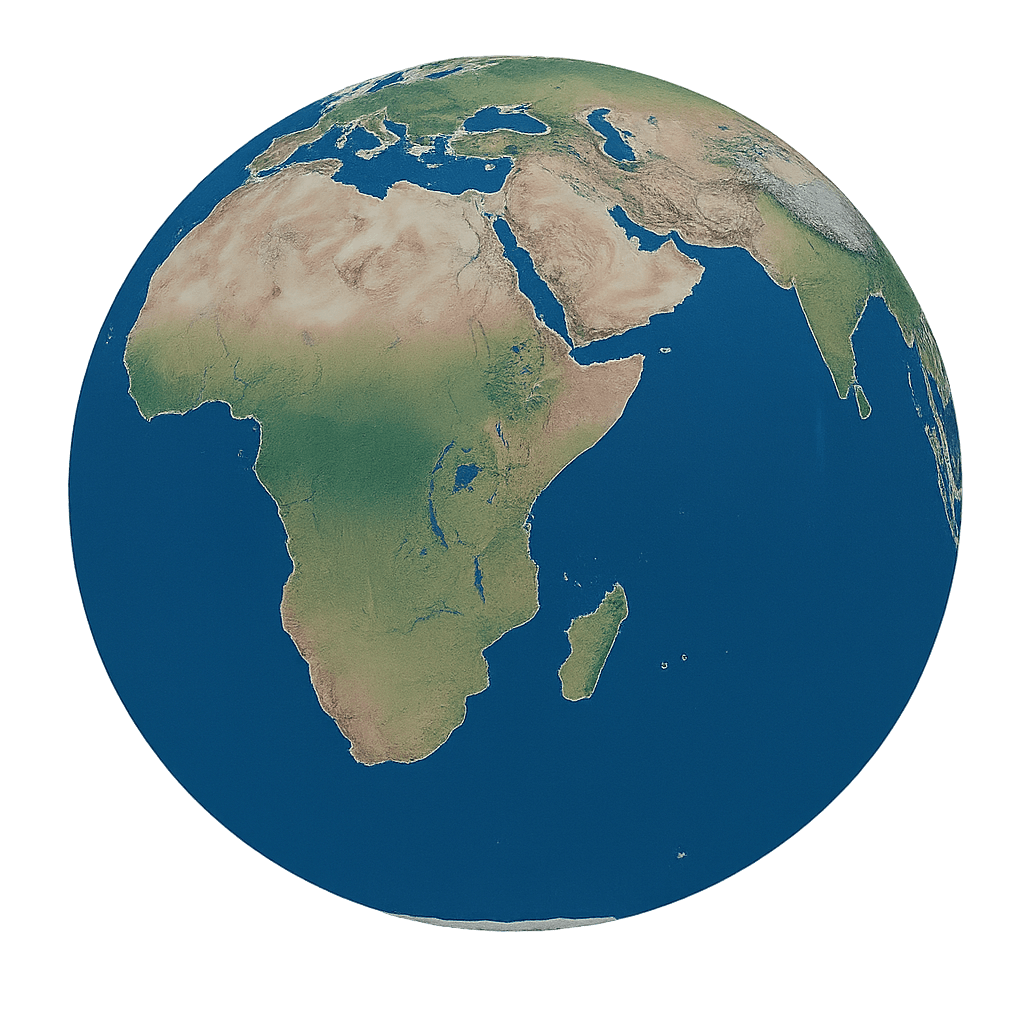
Climate & Child Health: UNICEF warns that more than 162 million children across eastern and southern Africa—including Eritrea—are in areas vulnerable to the intensifying 2026-2027 El Niño, with drought, extreme heat, flooding, and knock-on risks to nutrition, health services, safe water, and schooling. Regional Preparedness: A Greater Horn early-warning outlook urges governments and partners to prepare for heavier October–December rains, which could strain agriculture, water supplies, and public health. Maternal & Child Protection: In Teseney sub-zone, health officials and prosecutors renewed calls to end harmful practices like female genital mutilation and underage marriage, stressing legal penalties and the role of religious leaders in community awareness. Disease Watch: WHO notes measles is resurging globally despite an effective vaccine, with outbreaks reported worldwide and Africa expected to carry a large share of cases—an urgent reminder for routine immunization and outbreak readiness. Food Security Support: WFP welcomed a Korea rice donation worth $2.9m to help feed 100,000 refugees and vulnerable host communities in Ethiopia, many from Eritrea and other neighbors.
AGP Executive Report
Your go-to archive of top headlines, summarized for quick and easy reading.
Note: AI summary from news headlines; neutral sources weighted more to help reduce bias in the result. Feedback is welcome. Please let us know if you have any comments or suggestions about the AGP Executive Report.
El Niño Health Threat: UNICEF warns that more than 162 million children across eastern and southern Africa, including Eritrea, face rising risks from intensifying drought, extreme heat, and severe flooding—threatening nutrition, health, safe water, sanitation, and already-stretched health services. Climate Early Action: A Greater Horn forecast urges governments and humanitarian partners to prepare for heavy October–December rains that can disrupt food systems and public health. Measles Watch: With measles resurging globally, WHO notes outbreaks worldwide and highlights the need to protect children through vaccination—especially where access to care is limited. Harmful Practices Drive: In Eritrea’s Teseney sub-zone, health officials and prosecutors urged stronger community participation to end female genital mutilation and underage marriage, citing links to maternal deaths and noting the legal penalties. Food Security Support: WFP welcomed a Korea rice donation to support refugees and vulnerable host communities in Ethiopia, where many are from neighboring Eritrea. Migration Pressure on Health Systems: Reports also highlight ongoing humanitarian strain from displacement and dangerous crossings, with Eritreans among the most common nationalities arriving in Europe.
Food & Humanitarian Accountability: A new commentary argues the UN and global system should apply its own principles more consistently, warning that blurring distinctions like acute malnutrition vs famine can distort public and political priorities. School Feeding & Food Safety: USyd’s $5 student meal program is tied to Compass Australia, a Compass Group subsidiary facing allegations of bribery and past food-quality violations, raising fresh concerns about what students are eating. Measles Watch: A global health roundup highlights measles’ high contagiousness and stresses that vaccination remains the key protection as outbreaks are reported worldwide, with higher risk for undernourished children. Harmful Practices in Eritrea: In Barentu, health officials and community leaders renewed calls to end female genital mutilation and underage marriage, citing links to maternal deaths and pointing to Eritrean legal prohibitions. Eritrea Agriculture & Health Link: Eritrea’s National Conference on Agricultural Studies (Asmara) showcased 76 papers on sustainable agri-food systems, with health-sector participation underscoring how food systems shape nutrition and wellbeing. Migration, Health Risks & Access: A report notes the US court ended a Trump-era immigrant visa pause for 75 countries (including Eritrea), while separate coverage on asylum systems and missing children in the UK underscores ongoing public-health and protection pressures for displaced people. AI & Care Quality: A piece warns that AI safety and health-related chatbot errors can be worse where language and urgency needs aren’t well handled, with real-world effects on diagnosis and treatment decisions.
Visa policy shift: A US court struck down the Department of State’s immigrant visa suspension for nationals of 75 countries, including Eritrea, ending a generalized “public charge” basis for refusals and restoring case-by-case processing. Public health & prevention: Eritrea is making “quiet progress” as measles resurges globally, but the wider message is clear: vaccination coverage must keep up to prevent severe complications and deaths. Harmful practices: In Teseney sub-zone (Barentu area), health officials and prosecutors urged stronger community participation to eradicate female genital mutilation and underage marriage, citing Eritrean legal bans and links to maternal deaths. Conflict and health access: Rising tensions in Ethiopia’s Tigray are disrupting recovery and are linked to continued violence against healthcare, including attacks on health workers and ambulances. Climate and health risk: IGAD’s October–December rainfall outlook warns of wetter-than-normal conditions across parts of the Greater Horn, with knock-on effects for agriculture, water, food security, and public health. Migration pressure on services: In Spain’s Ceuta, healthcare workers report overwhelmed hospitals and emergency response needs tied to a surge in arrivals, including drowning and hypothermia cases. AI and healthcare safety: A report warns that AI safety efforts in the West may leave health-related chatbot users in Africa and Asia exposed to errors, especially around dialects and urgency cues.

Climate & Health Preparedness: IGAD’s early warning for the Oct–Dec 2026 rains flags higher-than-normal wet conditions across parts of southern Ethiopia, Somalia and north-eastern Kenya—an alert that matters for food security, water safety, and outbreak risk. Maternal Health & Harmful Practices: In Eritrea’s Teseney sub-zone, health officials and prosecutors urged stronger community action against female genital mutilation and underage marriage, noting links to maternal deaths and stressing that the practices are punishable by law. Disease Watch: A global look at measles warns that despite an effective vaccine, outbreaks are spreading worldwide and children remain at risk—especially where nutrition is poor or access to care is limited. Food Security for Displaced People: WFP Ethiopia received a rice donation from South Korea to support 100,000 refugees and host communities, with women and children making up most of those affected. Migration & Care Pressure (Regional): Reports from the Horn and beyond highlight ongoing displacement and strain on health services, including renewed concerns around violence against healthcare and the safety of medical workers in conflict-affected areas. Agriculture & Nutrition Research: Eritrea’s National Conference on Agricultural Studies (Asmara) brought together hundreds of researchers and young professionals to advance sustainable agri-food systems—relevant to long-term nutrition and public health. Visa Policy (Indirect Health Access): A US court lifted a pause on immigrant visa issuance for nationals of 75 countries, including Eritrea and Ethiopia, restoring case-by-case processing that can affect family reunification and health access for migrants.
Climate & Public Health Preparedness: IGAD’s ICPAC early warning (released in Kigali on 18 Aug) flags higher-than-normal October–December rains across southern Ethiopia, central/southern Somalia and north-eastern Kenya—an alert that matters for food security, water safety, disease risk, and health services ahead of the wet season. Sudan Health System Strain: Khartoum’s two-year night curfew and state of emergency were lifted, but UNHCR reports 2.1 million returnees face fragile recovery—unreliable electricity and water, unemployment, and severely disrupted education and health care. Child Protection & Health Risks in Displacement: UK data shows nearly 350 unaccompanied child asylum seekers have gone missing from Home Office and council accommodation since 2020, with 347 never found—raising major safety and health concerns for vulnerable children. Eritrea Community Health & Harmful Practices: In Teseney sub-zone, officials urged stronger public participation to eradicate female genital mutilation and underage marriage, citing legal prohibitions and linking the practices to maternal deaths. Measles Watch: A global update warns measles is surging worldwide despite an effective vaccine, with outbreaks reported in every region—especially threatening undernourished children and those with limited access to care. Asylum & Migration Medical Emergencies: In the Channel, one migrant died and over 70 were rescued after a small-boat attempt, including injured people needing urgent medical care. US Visa Policy Impact on Eritreans: A US court struck down a Department of State immigrant visa suspension affecting 75 countries, including Eritrea—potentially reopening case-by-case processing for families and workers.
Harmful Practices Crackdown: In Barentu’s Teseney sub-zone, health officials and prosecutors urged stronger community action to end female genital mutilation and underage marriage, citing Eritrea’s legal bans and warning that these practices can drive maternal deaths. Measles Watch: A new global health roundup highlights measles’ fast spread and the risk to undernourished children, stressing that vaccination remains the safest, most cost-effective protection. Agriculture for Health: Eritrea’s Ministry of Agriculture convened a national conference in Asmara on sustainable agri-food systems, with participation from health ministry staff and young researchers—linking food systems to national development. Regional Health Security: Reporting on Ethiopia’s Tigray tensions notes ongoing violence affecting healthcare, including attacks on health workers and ambulances, raising fears of renewed conflict spillover. Food Assistance: WFP welcomed a Korea rice donation for 100,000 refugees and vulnerable host communities in Ethiopia, where women and children rely heavily on aid. Migration & Care Needs: Coverage of Channel crossings and asylum dispersal underscores urgent strain on medical and protection services for arrivals.
Harmful Practices Drive: In Barentu, health officials urged stronger community action to end female genital mutilation and underage marriage, noting the legal bans and linking the practices to preventable maternal deaths; religious leaders and local administrators were called to join awareness efforts. Measles Watch: A new global health roundup warns measles remains a major threat worldwide despite an effective vaccine, with outbreaks reported across every region and higher risk for undernourished children. Agriculture & Health Link: Eritrea’s National Conference on Agricultural Studies in Asmara highlighted sustainable agri-food systems, with health-sector participation underscoring how food security and nutrition connect to public health. Tigray Health Safety: Reporting on renewed tensions in Ethiopia’s Tigray flags continued violence affecting healthcare, including attacks on health workers and ambulances, raising concerns for access to care. Migration Health Pressure: Coverage from Ceuta describes overwhelmed hospital services dealing with injuries, drowning and hypothermia among new arrivals, showing how migration surges strain emergency care. Channel Crossings: A small-boat incident left one migrant dead and several injured after rescue operations in the Channel, adding to ongoing risks for people on dangerous routes.
Organic pest control spotlight: Zenawi Zakarias, a Plant Protection expert in May-Mine, was recognized for developing an organic bio-pesticide—an encouraging sign for safer farming and healthier crops. Harmful practices push: In Teseney, health officials and prosecutors urged stronger community action against female genital mutilation and underage marriage, stressing legal penalties and calling on religious leaders and administrators to lead awareness. Measles watch: A global update warns measles is surging worldwide despite an effective vaccine, with Africa and Asia expected to carry most cases—another reminder to protect children through immunization. Local health systems under strain: Reporting from Tigray highlights ongoing violence affecting healthcare, including attacks on health workers and ambulances, raising fears for access to services. Agriculture research momentum: Eritrea’s National Conference on Eritrean Agricultural Studies (Asmara) brought together hundreds of professionals and young scientists to advance sustainable agri-food systems. Food security support: WFP welcomed a Korea rice donation to help 100,000 refugees and vulnerable host communities in Ethiopia, where women and children rely heavily on aid. Migration-linked health risks: Reports from the Channel and Spain describe injuries, hypothermia, and overwhelmed medical teams during mass arrivals—showing how quickly health needs spike in emergencies.
Organic pest control in Eritrea: Zenawi Zakarias, a Plant Protection expert in May-Mine, describes his path from local schooling to Hamelmalo College of Agriculture and his work developing an organic bio-pesticide—highlighting practical, health-friendly farm protection. Harmful practices crackdown (FGM, underage marriage): In Teseney, healthcare leaders and prosecutors urged stronger community participation to end female genital mutilation and underage marriage, noting legal bans and linking the practices to maternal deaths. Southern Red Sea seminar: A regional seminar in Assab trained justice, police, health, and reconciliation committee partners on women’s and children’s rights and the legal consequences of harmful practices, with a focus on FGM and underage marriage. Measles watch: With measles resurging globally, the coverage stresses the need for vaccination to prevent severe complications—especially for undernourished children and those with limited access to care. Migration health pressure abroad: Reports from the English Channel describe one death and dozens of rescues after a small-boat crossing, underscoring ongoing medical risks for migrants and responders. Tigray conflict and health access: Renewed clashes in Ethiopia’s Tigray raise fears for healthcare safety, including continued attacks on health workers and facilities.
Harmful Practices Drive: In Barentu’s Teseney sub-zone, health officials and prosecutors urged stronger community action to end female genital mutilation and underage marriage, noting both are punishable by Eritrean law and linking the practices to maternal deaths. Measles Warning: A new global health roundup highlights measles’ rapid spread and the lack of a specific treatment, stressing vaccination as the key protection—especially for undernourished children. Asmara Health & Rights Training: In Assab, a seminar for justice, police, social services, and reconciliation committees focused on women’s and children’s rights and the legal consequences of harmful practices, with organizers calling for wider public participation. Agriculture for Health: Eritrea’s National Conference on Agricultural Studies (Asmara, Aug 20–21) showcased dozens of scientific papers on sustainable agri-food systems, with Ministry of Health participation underscoring links between food systems and wellbeing. Tigray Health Under Strain: Reporting on renewed tensions in Ethiopia’s Tigray warns that violence is again disrupting healthcare, including attacks on health workers and ambulances. Food Security Support: WFP welcomed a Korea rice donation to support food assistance for 100,000 refugees and host communities in Ethiopia, where women and children make up most of the caseload.
Harmful Practices Drive: In Barentu, Teseney sub-zone health officials urged stronger community action to end female genital mutilation and underage marriage, citing Eritrea’s legal bans and warning that these practices can contribute to maternal deaths; prosecutors and religious leaders pledged awareness work across 11 administrative areas. Measles Watch: A new global update highlights measles’ fast spread and the lack of a specific treatment, stressing that vaccination is the key protection—especially for undernourished children and those with limited access to care. Maternal & Child Health Focus: Eritrea’s Ambassador to Kenya outlined the country’s community-based primary health care model at a regional meeting on maternal and child health, describing a cost-effective Basic Health Care Package reaching rural, remote and nomadic communities. Agriculture for Nutrition: Eritrea’s National Conference on Agricultural Studies wrapped up in Asmara with 76 research papers, including work on food safety, security and nutrition—linking agri-food systems to healthier outcomes. Asylum Health Context: Reports from abroad describe health risks tied to displacement and disrupted access to stable status, including families facing deportation after years without permanent protection.
Maternal & Child Health Diplomacy: Eritrea’s Ambassador Beyene Russom told a regional ministerial steering committee in Dar es Salaam that Eritrea’s community-based primary health care and Basic Health Care Package reach rural, remote and nomadic communities—linking health security with wider services like education and water. Women’s Rights & Harmful Practices: In Assab, a seminar for partner institutions in the Southern Red Sea focused on women’s and children’s rights, public registration, and the legal consequences of harmful practices, including underage marriage and female genital mutilation. Food Security Support: WFP welcomed a 2,400 mt rice donation from South Korea worth $2.9 million to support food assistance for 100,000 refugees and vulnerable host communities in Ethiopia, where women and children make up nearly 80% of refugees. Agriculture for Nutrition: Eritrea’s National Conference on Eritrean Agricultural Studies (Asmara) concluded with 76 research papers spanning food safety, security and nutrition, climate adaptation, value chains, and agricultural policy. Health System Under Strain in Conflict: Reporting from Tigray highlights ongoing violence affecting healthcare—attacks on health workers and ambulances and armed takeovers of facilities—raising fears that renewed escalation could worsen access to care. Global Policy With Local Health Implications: A US court struck down a State Department immigrant visa suspension affecting Eritrea and other countries, potentially shifting family reunification and migration-related health and support needs.
Tigray Health & Safety: Renewed clashes in Ethiopia’s Tigray are raising alarms for civilians and health services, with reports of drone strikes and continued violence against healthcare, including attacks on health workers and ambulances. Atrocity Risk Watch: A warning indicator is emerging as an Amhara police directive reportedly calls for ethnic-based monitoring, explicitly targeting people of Tigrayan origin and those linked to the TPLF—an urgent concern given past mass atrocities. Eritrea Harm Reduction: In Assab, a Southern Red Sea seminar with justice, police, social services, and health partners focused on women’s and children’s rights and legal steps to end harmful practices, including underage marriage and female genital mutilation. Eritrea Primary Care Spotlight: Eritrea’s community-based primary health care model was highlighted at a regional ministerial steering meeting on maternal and child health, emphasizing a cost-effective Basic Health Care Package for rural and nomadic communities. Eritrea Nutrition & Food Security: WFP welcomed a Korean rice donation (2,400 mt) to support food assistance for 100,000 refugees and vulnerable host communities in Ethiopia, including many from Eritrea. Medical Capacity Building: A Chinese neurosurgeon described Eritrea’s resource-limited surgical setting during a year-long aid mission, stressing hands-on skills and resilience under pressure. Malaria Reminder: A malaria network urged sustained surveillance and public health messaging as Africa still carries most malaria cases and deaths, with risks from insecticide resistance and shifting mosquito patterns.
Regional Health Security: Eritrea’s Minister of Health delegation, via Ambassador Beyene Russom, told the ReSCO meeting in Dar es Salaam that resilient, community-based primary health care—through a cost-effective Basic Health Care Package—drives maternal and child health and strengthens health security for rural, remote and nomadic communities. Harmful Practices: A Southern Red Sea seminar (19–21 Aug) brought together justice, police, social services and reconciliation committees to push women’s and children’s rights, public registration, and legal action against harmful practices including underage marriage and female genital mutilation. Health Workforce Support: Chinese neurosurgeon Zhang Shijun described Eritrea medical aid work (July 2025–July 2026), stressing that strong hands-on surgical skills matter most when equipment is limited. Malaria Watch: A Ghana-based malaria network marked World Mosquito Day by warning that Africa still carries 94% of global malaria cases and that insecticide resistance and shifting mosquito habitats threaten progress. Education & Youth: The Denden Award in Mendefera recognized 302 top students, with organizers linking academic follow-up and guidance to better outcomes.
Primary Health Care & Maternal/Child Health: Eritrea’s Ministry of Health delegation, led by Ambassador Beyene Russom at ReSCO in Dar es Salaam, highlighted a community-based primary health care model built on a cost-effective Basic Health Care Package reaching rural, remote and nomadic communities. Harmful Practices Prevention: In Assab, a Southern Red Sea seminar (19–21 Aug) brought together justice, police, social services and reconciliation committees to strengthen action against underage marriage and female genital mutilation, including legal perspectives and public registration. Eritrean Health Workforce Support: Chinese neurosurgeon Zhang Shijun described lessons from a year-long medical aid mission in Eritrea (Jul 2025–Jul 2026), stressing practical surgical skills and resilience in resource-limited settings. Nutrition & Food Safety Research: Eritrea’s National Conference on Agricultural Studies (20–21 Aug) featured research on food safety, security and nutrition alongside climate adaptation, value chains and agribusiness—key inputs for healthier diets. Malaria Risk Watch: A malaria network warned that Africa still carries 94% of the world’s malaria burden and urged sustained surveillance and public health messaging as insecticide resistance and climate shifts threaten gains. Migration Health Context: Coverage of Eritrean migrants’ perilous journeys and broader displacement themes underscored ongoing risks to health and family wellbeing during irregular migration.
Migration & Health Risks: A report on the Channel crossing highlights how people-smuggling tactics endanger lives, including a case of a pregnant Eritrean woman who lost her three-year-old during an attempted crossing before reuniting days later. Regional Conflict & Care Access: Renewed Tigray tensions are raising fears of renewed conflict, with continued reports of violence against healthcare—attacks on health workers, ambulances, and armed takeovers of facilities—complicating recovery and basic services. Eritrea’s Health Leadership: Eritrea’s Minister of Health delegation stressed community-based primary health care and the Basic Health Care Package at the Fourth Regional Ministerial Steering Committee in Dar es Salaam, framing maternal and child health as central to regional health security. Women’s & Children’s Protection: A Southern Red Sea seminar (19–21 Aug) focused on eradicating harmful practices, including underage marriage and female genital mutilation, bringing together justice, police, social services, and reconciliation committees. Malaria Burden Watch: A World Mosquito Day appeal warns Africa still carries most malaria cases and deaths, urging sustained surveillance and public health messaging as insecticide resistance and climate shifts threaten gains. Education & Youth: Eritrea’s Denden Award recognized 302 outstanding students in Mendefera, with emphasis on follow-up and guidance to support academic success. Piracy & Maritime Safety: Two hijackings off Yemen and Somalia involving an Eritrea-flagged tanker and 22 Indian seafarers renew concerns about renewed piracy in Horn of Africa waters.
Maternal & Child Health: Eritrea’s Ministry of Health highlighted its community-based primary health care model at the Fourth Regional Ministerial Steering Committee (ReSCO) in Dar es Salaam, stressing a cost-effective Basic Health Care Package reaching rural, remote and nomadic communities. Women & Children Protection: A Southern Red Sea seminar (19–21 Aug) focused on eradicating harmful practices, including underage marriage and female genital mutilation, bringing together justice, police, social services and reconciliation committees. Food Safety, Security & Nutrition: Eritrea’s National Conference on Agricultural Studies (20–21 Aug) wrapped up with 76 research papers spanning nutrition, food safety, climate adaptation, agricultural extension and value chains—key themes for healthier diets and resilience. Malaria Risk Watch: A malaria network warned that Africa still carries 94% of the world’s malaria burden and urged sustained surveillance and public health messaging as insecticide resistance and climate shifts threaten gains. Medical Capacity Building: Chinese neurosurgeon Zhang Shijun described Eritrea mission lessons—strong hands-on skills matter when equipment is limited—underscoring ongoing cross-border health support.
Maternal & child health push: Eritrea’s Ambassador Beyene Russom told a regional ministerial steering meeting in Dar es Salaam that the country’s community-based primary health care and cost-effective Basic Health Care Package are key to improving outcomes for rural, remote and nomadic communities. Anti-harmful practices seminar: In Assab, a 19–21 August seminar brought together justice, police, social services and reconciliation committees to strengthen public action against harmful practices, including underage marriage and female genital mutilation, with Eritrea’s Ministry of Health and National Union of Eritrean Women among partners. Food safety & nutrition research: Eritrea’s National Conference on Agricultural Studies in Asmara concluded after presenting 76 research papers, including work on food safety, security and nutrition, plus climate adaptation and agricultural value chains. Malaria warning (regional): A malaria network marked World Mosquito Day by urging sustained investment in surveillance and public health messaging as Africa still carries most malaria cases and deaths, with threats like insecticide resistance and changing climates. Medical aid spotlight: A Chinese neurosurgeon described Eritrea’s resource-limited surgical conditions during a July 2025–July 2026 mission, emphasizing hands-on technical skill and resilience.
Harmful Practices Seminar: A seminar in Assab (19–21 Aug) brought together justice, police, social services, and reconciliation committees to tackle women’s and children’s rights, with a focus on legal approaches to ending underage marriage and female genital mutilation. Regional Health Leadership: Eritrea’s Ambassador to Kenya, Ambassador Beyene Russom, told a Dar es Salaam meeting that resilient, community-based primary health care—through a Basic Health Care Package—drives both better outcomes and stronger health security. Maternal & Child Health Focus: The same ReSCO forum highlighted investments in immunization, community engagement, and epidemic preparedness under the theme of health security and sovereignty. Agriculture for Nutrition: Eritrea’s National Conference on Agricultural Studies (20–21 Aug) concluded with 76 research papers spanning food safety, security and nutrition, climate adaptation, and agribusiness—linking agri-food systems to health. Malaria Reminder: A malaria network in Accra warned that Africa still carries most malaria cases and deaths, urging sustained surveillance and public health messaging as insecticide resistance and climate shifts threaten gains. Medical Aid in Eritrea: A Chinese neurosurgeon described how Eritrea missions rely on strong hands-on skills when advanced equipment is limited, underscoring ongoing cross-border medical support.
Sign up for:
The Eritrea Health Report
The daily local news briefing you can trust. Every day. Subscribe now.
Check Your Email!
We sent a one-time activation link to: .
Confirm it's you by clicking the email link.
If the email is not in your inbox, check spam or try again.
Welcome back!
is already signed up. Check your inbox for updates.